Just How Offshore Business Formations Work: A Detailed Overview for Entrepreneurs
Offshore business formations can provide considerable benefits for entrepreneurs seeking tax optimization and possession protection. The process involves numerous essential steps, beginning with careful jurisdiction option and thorough paperwork prep work. Involving expert solutions is vital for conformity. Nonetheless, several neglect the recurring responsibilities that follow first enrollment. Understanding these intricacies can make a significant difference in leveraging offshore chances efficiently. The next actions are necessary for long-lasting success.
Understanding Offshore Companies: What They Are and Why They Matter
The concept of overseas firms may seem complex, understanding their basic nature and relevance is crucial for both individuals and organizations seeking to enhance their economic techniques. Offshore firms are entities signed up outside the person's country of home, usually in jurisdictions that provide favorable regulative atmospheres. These organizations can offer different benefits, such as tax obligation optimization, possession defense, and enhanced privacy.
For entrepreneurs, establishing an offshore business can promote international trade, minimize functional costs, and increase market reach. Additionally, overseas firms frequently permit for streamlined compliance with international laws. Individuals might additionally utilize overseas frameworks to guard personal assets from economic or political instability in their home countries. Inevitably, the appeal of overseas firms exists in their capacity to improve monetary adaptability and give strategic advantages in a significantly interconnected worldwide economic climate - Offshore Company Formations. Recognizing their functional framework and advantages is vital for making educated choices
Choosing the Right Jurisdiction for Your Offshore Business
Choosing the proper jurisdiction for an overseas business is crucial for making best use of tax obligation advantages and making sure conformity with regional regulations. Various territories use differing tax incentives and governing environments that can significantly influence organization operations. As a result, a cautious assessment of these elements is necessary for notified decision-making.
Tax Advantages Introduction
When thinking about the facility of an offshore firm, comprehending the tax obligation benefits connected with numerous jurisdictions is crucial. Various locations use unique advantages, such as reduced or zero business tax prices, which can substantially improve productivity. Some jurisdictions supply tax obligation rewards for details kinds of services, attracting entrepreneurs seeking lowered tax obligations. Additionally, particular countries apply beneficial tax obligation treaties that minimize dual taxes on worldwide revenue, making sure that services keep even more earnings. The choice of jurisdiction also impacts value-added tax (VAT) and other regional tax obligations. Entrepreneurs need to assess these elements carefully to pick an area that straightens with their organization objectives, maximizing tax effectiveness while remaining compliant with international regulations.
Regulatory Environment Considerations
Selecting the right jurisdiction for an offshore firm calls for a detailed understanding of the regulatory environment, as various countries enforce differing levels of conformity and governance. Entrepreneurs must assess variables such as legal structures, tax obligation policies, and reporting obligations. Territories like the British Virgin Islands and Cayman Islands are often preferred for their business-friendly laws and marginal coverage demands. Alternatively, some countries may enforce rigorous policies that could make complex procedures and increase prices. Furthermore, the political security and reputation of a territory can affect the long-lasting stability of the overseas business. Cautious consideration of these regulatory elements is vital to ensure that the picked territory straightens with the firm's critical goals and functional requirements.
Preparing the Necessary Documents
Preparing the necessary paperwork is a vital step in the overseas business development process. Entrepreneurs have to gather numerous legal and recognition files to promote their firm's establishment in a foreign territory. Typically, this consists of a comprehensive service strategy describing the company's purposes and operational methods. Additionally, personal recognition files, such as tickets or motorist's licenses, are called for from the company's shareholders and directors.
Oftentimes, proof of address, like energy costs or financial institution statements, is needed to confirm the identifications of the involved events. Furthermore, certain kinds determined by the territory, consisting of application for registration, have to be completed accurately. Some territories might additionally call for a statement of the nature of business tasks and conformity with neighborhood guidelines. Extensively preparing these files assures a smoother enrollment procedure and assists alleviate prospective hold-ups or difficulties, inevitably setting a solid structure for the offshore entity.
Engaging Expert Services for Offshore Formation
Involving professional services in overseas formation can significantly enhance the effectiveness and performance of the process. Entrepreneurs usually deal with intricacies that can be overwhelming, making expert advice invaluable. Expert firms focusing on offshore formations provide a wealth of expertise relating to jurisdiction option, firm structure, and local market problems.
These professionals can help in drafting important documents, guaranteeing precision and conformity with details demands. They additionally assist simplify interaction with neighborhood authorities, lowering the probability of delays or misunderstandings. In enhancement, specialist solutions can use insights into critical advantages, such as tax benefits and asset protection, customized to the entrepreneur's certain requirements.
Navigating Regulatory Compliance and Legal Demands
Understanding the governing landscape is essential for entrepreneurs starting on overseas company developments. Conformity with neighborhood laws and global policies is important to prevent legal risks. Each territory has certain requirements relating to firm enrollment, reporting, and taxes, which have to be see this thoroughly researched.
Entrepreneurs must acquaint themselves with the laws controling company structure, possession, and functional techniques in the picked offshore location. Furthermore, anti-money laundering (AML) and recognize your consumer (KYC) laws usually use, needing appropriate documentation and verification procedures.
Involving with attorneys who focus on overseas solutions can provide important assistance on maneuvering with these complexities. Making certain compliance not just safeguards the firm from potential legal issues but also enhances integrity with regulators, companions, and investors. By sticking to the prescribed legal frameworks, business owners can successfully utilize the advantages of offshore firm formations while lessening risks linked with non-compliance.
Establishing Banking and Financial Accounts
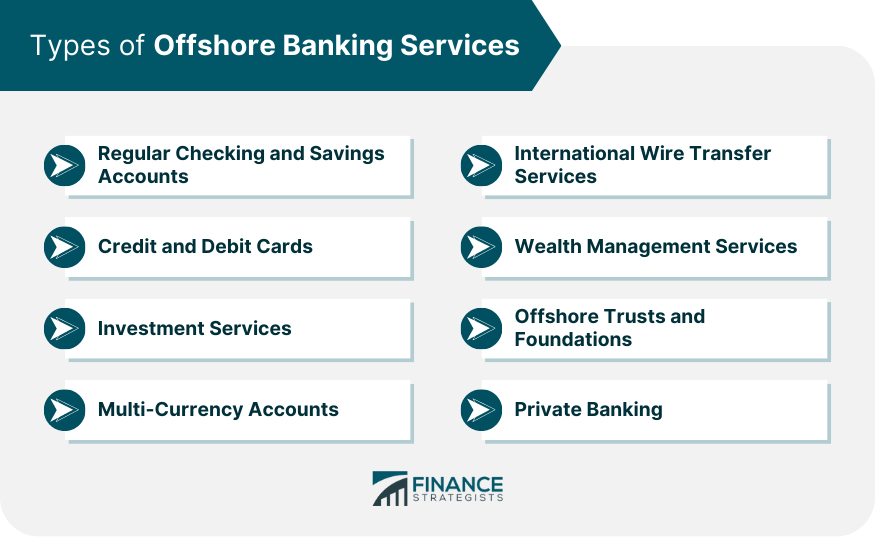
When an ideal financial institution is identified, business owners typically need to prepare and submit numerous files, including proof of identification, service registration papers, and a description of the designated organization activities. (Offshore Company Formations)
Some financial institutions may also require a minimal deposit to open an account. Business owners must be prepared to address questions concerning the resource of funds and service operations. By thoroughly recognizing the banking landscape and following the financial institution's requirements, entrepreneurs can safeguard their overseas company has smooth access to crucial economic services for effective operation.
Maintaining Your Offshore Company: Recurring Responsibilities and Best Practices
Maintaining an overseas business entails numerous ongoing obligations that are essential for compliance and operational honesty. Secret facets include adhering to yearly compliance demands, keeping accurate financial records, and recognizing tax obligations. These elements are necessary for making sure the company's durability and lawful standing in its jurisdiction.
Yearly Conformity Demands
While developing an overseas company uses many benefits, it likewise requires recurring responsibilities that can not be neglected. Annual conformity demands differ by territory but typically include submitting monetary statements and yearly returns to local authorities. Companies have to likewise pay annual fees, which can consist of enrollment renewals and taxes, relying on the location. Additionally, numerous territories need maintaining a local representative and a registered office. Failing to adhere to these policies can result in charges, consisting of penalties or perhaps dissolution of the company. Business owners should additionally understand any kind of modifications in neighborhood legislations that may influence their compliance responsibilities. Remaining educated and organized is vital for preserving the advantages of an overseas firm while satisfying legal obligations efficiently.
Keeping Financial Records
Conformity with annual needs is just component of the ongoing responsibilities associated with overseas business management. Keeping accurate monetary records is vital for ensuring transparency and liability. Business owners must systematically record all deals, consisting of revenue, expenses, see here and possessions. This technique not just help in inner decision-making however also prepares the company for prospective audits from regulatory authorities.
Regularly upgrading economic declarations, such as revenue and loss accounts and annual report, is vital for tracking the business's economic wellness. Making use of accounting software can enhance this procedure, making it much easier to produce reports and keep compliance. Furthermore, business owners must consider looking for expert bookkeeping services to assure adherence to neighborhood laws and best methods, thereby safeguarding the stability and reputation of their offshore operations.

Tax Obligation Commitments Introduction
Steering with the intricacies of tax commitments is crucial for the effective administration of an overseas business. Business owners should understand the tax obligation regulations of both their home nation and the jurisdiction where the overseas entity is developed. Conformity with neighborhood taxation legislations is crucial, as failing to stick can lead to fines or legal issues. Consistently filing necessary tax returns, even when no tax may be owed, is frequently needed. Furthermore, maintaining precise and up-to-date economic records is important for demonstrating compliance. Consulting from tax professionals acquainted with worldwide tax obligation law can assist navigate these commitments successfully. By implementing best methods, entrepreneurs can ensure that their overseas operations continue to be financially sensible and lawfully certified.

Regularly Asked Inquiries
How Lengthy Does the Offshore Firm Formation Refine Generally Take?
The overseas firm formation procedure commonly ranges from a few days to numerous weeks. Variables affecting the timeline consist of territory, documentation needs, and responsiveness of legal and financial organizations involved in the configuration.
What Are the Costs Connected With Keeping an Offshore Company?
The costs connected with keeping an offshore business can vary extensively. They commonly consist of annual enrollment charges, conformity expenses, accounting services, and feasible legal charges, depending on the jurisdiction and particular business activities entailed.
Can I Open a Personal Financial Institution Account for My Offshore Firm?
Opening an individual checking account for an overseas company is usually not permitted. Offshore accounts have to be company accounts, mirroring the business's tasks, thus conforming with guidelines and guaranteeing proper monetary management and lawful accountability.
Are There Restrictions on International Possession of Offshore Companies?
What Occurs if I Fail to Abide By Offshore Rules?
Failure to comply with overseas guidelines can bring about severe penalties, consisting of significant penalties, loss of organization licenses, and potential criminal charges. Furthermore, non-compliance might result in reputational damage and troubles in future organization operations.
Offshore firms are entities registered outside the person's nation of residence, commonly in territories that use desirable regulative settings. Selecting the suitable jurisdiction for an offshore firm is critical for taking full advantage of tax obligation advantages and guaranteeing conformity with local policies. When thinking about the establishment of an offshore firm, recognizing the tax obligation advantages linked with numerous jurisdictions is necessary. Picking the best jurisdiction for an overseas Recommended Site business needs an extensive understanding of the governing setting, as various countries impose varying degrees of compliance and administration. Furthermore, the political security and credibility of a jurisdiction can impact the lasting stability of the overseas firm.